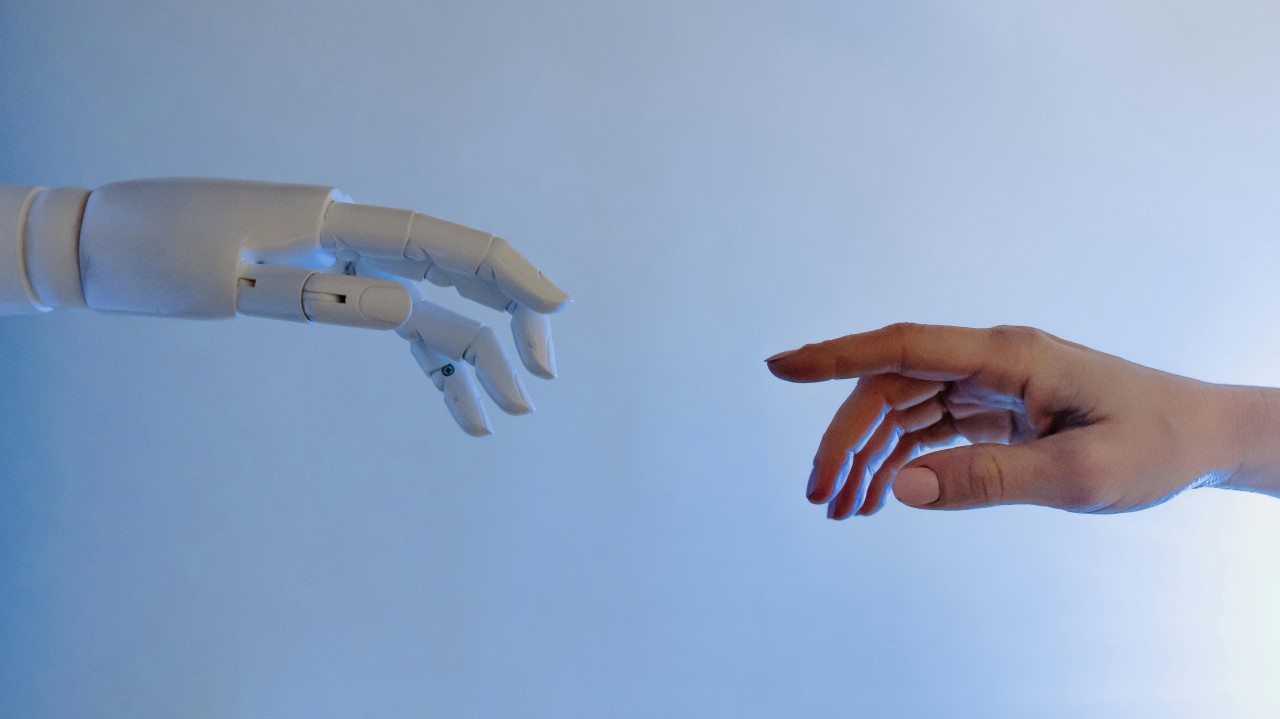
Artificial Intelligence has transformed marketing and communications with promises of speed and scale. Yet journalists are raising clear red flags; they can spot AI-generated pitches instantly, and their inboxes are drowning in low-quality spam from fake experts and automated tools.
The irony is that humans are using AI to “automate” PR and creating more noise and friction in the process. Volume pitches and “spray and pray” methods don’t work. Coincidently, a human touch is essential for making connections, earning trust, and garnering media coverage.
The AI PR problem is easy to spot and hard to ignore. On the BuzzStream Podcast (a must listen), veteran journalist Rob Waugh shares his thoughts on AI and what still works in PR. He describes the deluge of AI-assisted or fully generated pitches and how they can be easily sniffed out:
- Odd formatting, such as bolded bullet lists dropped awkwardly into the middle of an email.
- Unnatural capitalized subheads (a very “American AI” style that stands out to editors).
- Generic, low-effort content lacking real insight or relevance.
The most egregious tactic? Unscrupulous PR professionals (and their AI agents) are introducing fake experts, using AI to blend hundreds of media mentions into nonexistent profiles. This makes legitimate pitches harder to spot and erodes trust across the board. For smaller publications, it’s existential. For busy journalists juggling multiple beats, it renders inboxes nearly unusable.
Human-Powered PR: Research, Relationships, and Relevance
Effective PR demands qualities that AI still struggles with:
- Deep Research and Media Literacy: Understanding what a specific journalist or publication actually covers. Reading their recent articles, knowing their tone, audience, and current priorities. Timing a pitch, building in lead time, and offering an embargo all require human judgment.
- Personal Connection and Customization: Short, genuine pitches and fresh, data-driven research land better because they feel authentic. Building relationships over time beats mass blasts.
- Crafting New Information: The strongest stories introduce something original, such as survey data, executive insights, real-world case studies, or nuanced perspectives on industry trends.
- Strategic Patience: Aligning your story with a publication’s editorial calendar, offering exclusives, or understanding the “food chain” of how stories get picked up. This is craft based on experience, not automation.
AI’s Place in the PR Process
No one is suggesting abandoning AI entirely. Used wisely, it is an outstanding tool for:
- Research Acceleration: Quickly summarizing technical topics, analyzing public records, or generating initial brainstorm lists.
- Idea Generation: Feeding past headlines into a model to spark new variations, then refining them with human insight.
- Drafting Support: Helping structure backgrounders or fact-check data (always with close human oversight).
- Efficiency on Repetitive Tasks: Monitoring coverage and the competitive landscape.
The key is discipline… Treat AI like any other tech tool. Verify every output, add original thinking, and never send raw AI content to a journalist. Experienced reporters use AI for their own research, and they can instantly detect in your pitch.
Do The Work!
AI is cannibalizing traditional search. ChatGPT, Grok, Gemini and other chatbots represent the new way to seek answers. Now more than ever, human-powered PR practices will help your business stand out more than ever.